Wines
Cesanese Fera igp
Fera, “she who is fruitful,” was the goddess who protected nature, wild animals, freed slaves, woods, and harvests. She was also the guardian of gardens and a beloved figure in ancient cults across central Italy. This deep red wine pays homage to authenticity—a wine that knows how to surprise, an alchemy of enveloping tannins, with a long and subtly spiced finish. Fera is the goddess rediscovered in a wine with intense aromas of ripe red fruits like cherry and plum, accented by spicy notes of black pepper and hints of aromatic herbs.
| Soil | Clay and sand |
| Training system | Espalier training with Guyot pruning |
| Planting density | 4000 vines/Ha |
| Color | Carmine red with garnet highlights |
| Aging | In steel and wood |
| Pairings | Ideal with structured dishes: pasta with meat-based sauces, slow-cooked meats, and braised dishes seasoned with aromatic herbs and spices. |

Donato Giangirolami
Like his father, Donato Giangirolami has looked far and made decisive choices for the growth of the company. He has been passionate of his land since he was a child, he learned his work looking at Dante. He observed with curiosity the process that allows grapes to turn into wine.
In the 1990s, the company expanded and purchased the land in Doganella, Ninfa and Borgo Montello.
For him, a quality product first must be healthy, as well as good.
In 1993 he was among the first on the territory to start the procedures for obtaining organic certification. It has purified the land, has eliminated any trace of product harmful to health.
He wants his products to be as genuine as the food he grew up with. In 2003 he became a direct producer. The Donato Giangirolami organic label was born.
In the first decade of 2000, Laura and Federica, Donato s daughters, started working in the company, continuing the family tradition and the work started two generations before by grandfather Dante.

Lazio
Historically the vineyards around Rome have been important areas for the production of white wine. The ancient Romans praised the local wines, although it is fabled that Horace most admired the red Falernian and Caecuban from the southern coast and Campania. The name Frascati is synonymous with Latium as well as the legendary white wine Est! Est!! Est!!! di Montefascione. It is said that this last wine gained its unusual name, meaning "It is!" repeated three times, after it was scrawled on a cellar door by a servant who was sent to seek out drinking establishments that served wine suitable for the bishop for whom he worked.

Related Wines
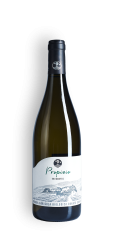
Grechetto Propizio Igp
Straw yellow with green reflections.
View info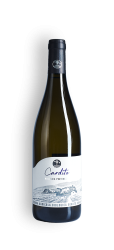
Malvasia Puntinata Cardito Igp
Bright straw yellow colour.
View info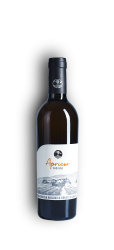
- Passito - Apricor igp
Golden yellow sticky style. Christmas cake in a glass!!
View info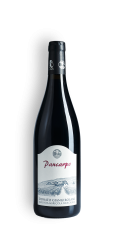
Rosso Lazio - Pancarpo igp
Intense ruby red colour, Black currant and spices definin
View info