Wines
Barolo Riserva DOCG 2016
Barolo Riserva Reverdito DOCG – Depth, Power, and Elegance from a Great Vintage The 2016 vintage is one of the best in recent decades in the Barolo region. Ideal climatic conditions allowed for the harvest of perfectly ripe Nebbiolo grapes – an ideal foundation for a long-lasting Barolo Riserva.
| What makes a Barolo Riserva special? | A Barolo can only be called a Riserva if it has been aged for at least 62 months – a significant portion of which is in wooden barrels. Reverdito relies on traditional large barrels (botti grandi), which preserve the wine's structure while imparting elegance and maturity. Riserva wines are rarer than regular Barolo bottlings and usually come from particularly good vintages – like 2016. |
| Multifaceted Aromas for Special Enjoyment | On the nose, the wine is complex and ripe: dark cherries, dried flowers, delicate spice notes, leather, and a hint of tobacco. On the palate, it is powerful, with ripe, well-integrated tannins, fresh acidity, and a deep, spicy structure. The finish is long and complex. |
| Reverdito – Tradition and Precision | The family-run Michele Reverdito winery cultivates its vineyards in the Barolo region with close attention to nature and great respect for the terroir. The Riserva is the house's flagship wine – a wine for special occasions and with great ageing potential. |

Reverdito Michele
The Reverdito winery in La Morra was established in 2000, and is the point of arrival of a long journey embarked on in the late Sixties by Silvano, the father of owners Michele and his sister Sabina.
It is the story of the gradual acquisition of vineyards, which began in 1967 with Bricco Cogni (La Morra municipality), followed by the Menzioni Geografiche Aggiuntive (Additional Geographical References) Ascheri (La Morra), Badarina (Serralunga d’Alba), Riva Rocca (Verduno municipality), Bricco San Pietro (Monforte d’Alba municipality), La Serra, Castagni , Berri (La Morra municipality), and now amount to 26 hectares under vines located in some of the best known Barolo DOCG appellation municipalities.
At the root of everything is a deep love for the land of the Langhe, and the greatest respect for the environment in which we live – two traits that are intensely reflected in the vineyard management choices made by Michele Reverdito. Supported by his friend and consultant agronomist consultant Beppe Vivalda, Michele cultivates his vineyards without the use of invasive chemicals or elements that could pollute the land, the groundwater or the environment.
Piemonte
From Asti Spumante to Barolo, the wines of Piedmont are among Italy’s most prolific and best rated. The region’s pedigree is apparent in its 58 DOC and DOCG zones, and although it is only the sixth largest producer in terms of volume, it has the highest percentage of classified wines in all of Italy. No IGT wine area is identified. This westerly region that borders with Switzerland and France is influenced by the Alps and Apennines (the name Piedmont means "foot of the mountain") and its seasons are very distinctive. Hot, dry summers, cold winters, and temperate springs and autumns are common with occasional fog during harvest time.
Undoubtedly it is the red wines that lead the way in terms of quality and cellaring potential with wines made from the noble Nebbiolo grape. The DOCGs of Barolo, Barbaresco, Gattinara, Ghemme and Roero all represent the grape at its finest: they are complex, alluring wines with extraordinary depth and great ageing potential. Barolo ("king of wines and wine of kings") is made in the Langhe hills with its output of 6 million bottles a year far exceeding that of Barbaresco at less than 2.5 million.

Related Wines
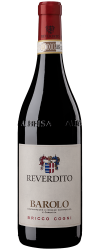
Barolo Bricco Cogni Docg 2015
Planted by Silvano Reverdito in 1967, the year of his marria
View info
Barolo Castagni Docg 2018
This vineyard in the commune of La Morra lies at an altitude
View info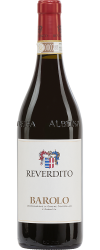
Barolo Classico Docg 2020
Garnet red with orange highlights, bouquet of woodland and a
View info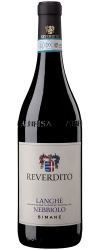
Nebbiolo Langhe Simane Doc
Ruby red with orange highlights, complex bouquet with fruity
View info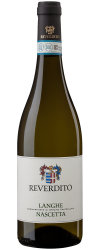
Nascetta Langhe Doc
The bouquet is floral and fruity with yellow apple, white pe
View info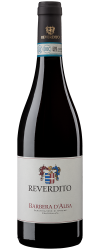
Barbera D’alba Doc
Ruby red colour; bouquet of ripe fruits such as redcurrant a
View info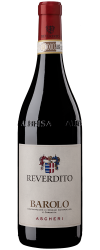
Barolo Ascheri Docg 2017
This Cru in the commune of La Morra is located on a gently s
View info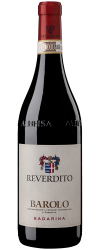
Barolo Badarina Docg 2017
Part of the Badarina MGA (Menzione Geografica Aggiuntiva, or
View info